
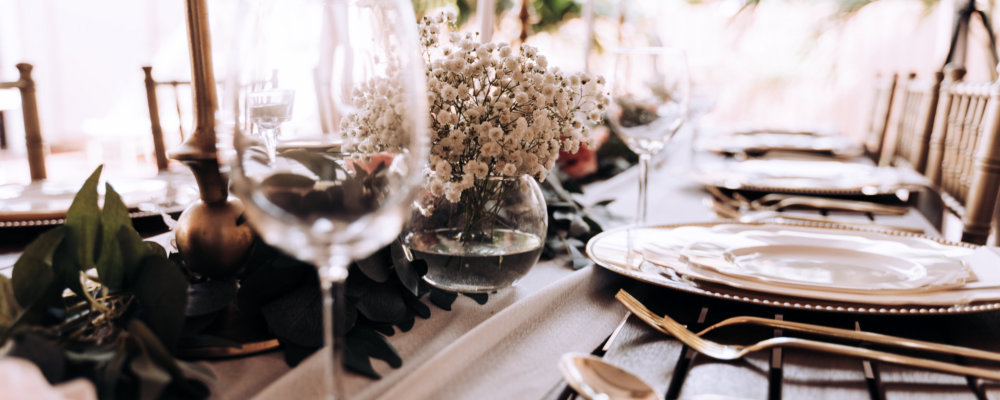
Why Table Manners Still Matter (And the Basics Everyone Should Know)
“Does anyone actually care about table manners anymore?”
I hear this question often, usually accompanied by a slight eye roll. In our casual, modern world, the idea of worrying about which fork to use or how to hold your wine glass can feel outdated, even pretentious.
What I’ve observed over decades of dining with many different people is this. Everyone cares about table manners. We just don’t always realise we’re caring.
What We’re Really Noticing
When someone chews with their mouth open, talks while eating, or reaches across the table grabbing for things, we notice. We might not consciously think “that’s poor table manners,” but we feel uncomfortable. The dining experience becomes less pleasant.
Conversely, when someone handles dining situations with ease, sharing food graciously, navigating tricky dishes without fuss, putting others at ease, we relax. The meal becomes more enjoyable and we’re more likely to want to dine with them again.
This is what table manners actually are – the skills that make shared meals more comfortable and enjoyable for everyone involved. Not fancy. Not formal. Just considerate.
Beyond Business Dinners
Yes, dining etiquette matters in professional settings. That business lunch with a potential client, that dinner with your boss, that networking event with canapés and wine – these situations still exist and how you handle yourself at the table genuinely impacts how you’re perceived professionally.
But dining etiquette matters just as much in personal life.
It matters on a first date, when you want to feel confident rather than anxious about ordering or navigating the menu.
It matters when you’re meeting your partner’s family for the first time and don’t want to worry about making a poor impression over Sunday lunch.
It matters at your friend’s wedding when you’re faced with a formal place setting and multiple courses.
It matters at casual gatherings when you want to enjoy the food and company without second-guessing yourself.
Dining etiquette isn’t about being fancy. It’s about being at ease, whatever the setting.
The Basics Everyone Should Know
You don’t need to master formal dining protocols to handle most situations confidently. Here are the essentials that serve you in nearly every dining context.
Start from the outside in. When faced with multiple pieces of cutlery, use the outermost pieces first and work your way toward the plate with each course. This simple rule works in 99% of situations.
Put others at ease. If someone makes a mistake, uses the wrong fork, spills something, drops food, ignore it graciously. Never draw attention to others’ slip-ups. This is actually the most important rule of dining etiquette. Making others feel comfortable.
Follow the host’s lead. When unsure, watch what your host does and follow. They unfold their napkin? You unfold yours. They start eating? You start eating. Simple.
Pace yourself. Don’t finish your meal significantly before or after others. Match the general pace of the table. This keeps everyone comfortable and prevents awkward waiting.
Keep your phone away. This isn’t fussy etiquette. It’s basic respect. The people you’re dining with deserve your attention. Your phone can wait.
What About Different Cultures?
Here’s where modern table manners get interesting. In Japan, slurping noodles shows appreciation. In some Middle Eastern cultures, eating with your hands is normal and proper. In parts of China, leaving food on your plate signals you’ve been well fed.
Cultural awareness is part of modern dining etiquette. When dining in or with people from different cultural backgrounds, do a little research or simply ask. “I want to be respectful. Is there anything I should know about dining customs here?”
This openness and curiosity? That’s excellent table manners.
Try This Next Time You Dine
- Practice the “outside-in” rule even at casual dinners. Your future self at that formal wedding will thank you for the muscle memory.
- Put your phone in your bag (not just face-down on the table where it’s still whispering “check me”). Notice how much more present you feel. Revolutionary, I know.
- Make actual eye contact when thanking service staff. Not the distracted half-nod while you’re already looking at the menu. Real acknowledgement. It takes two seconds and makes you a better human.
- Try one “difficult” food you usually avoid. Oysters, artichokes, whole fish. Learn to navigate it gracefully. Worst case? You’ve got a funny story. Best case? New favourite dish and dining confidence.
The Real Reason It Matters
Table manners matter because meals matter. Across every culture, sharing food is how we build relationships, celebrate occasions, conduct business and connect with others. How we conduct ourselves during these shared meals affects the quality of those connections.
When you’re confident at the table, whether it’s a casual lunch, a formal dinner, or anything in between, you can focus on what actually matters. The conversation, the connections, the experience. You’re not distracted by anxiety about whether you’re doing everything “right.”
That confidence? It’s not about being posh or proper. It’s about being present.
And that’s always been the point of good table manners. Creating space for everyone to relax, enjoy and connect over a shared meal.
You may also be interested in …
 https://www.powerofetiquette.com.au/wp-content/uploads/2026/01/Table-manners-2.jpg
401
600
admin
https://www.powerofetiquette.com.au/wp-content/uploads/2025/12/Power-of-Etiquette.png
admin2026-01-12 09:58:282026-01-12 10:11:08Why Table Manners Still Matter (And the Basics Everyone Should Know)
https://www.powerofetiquette.com.au/wp-content/uploads/2026/01/Table-manners-2.jpg
401
600
admin
https://www.powerofetiquette.com.au/wp-content/uploads/2025/12/Power-of-Etiquette.png
admin2026-01-12 09:58:282026-01-12 10:11:08Why Table Manners Still Matter (And the Basics Everyone Should Know) https://www.powerofetiquette.com.au/wp-content/uploads/2026/01/Travel-Etiquette-1a.jpg
400
600
admin
https://www.powerofetiquette.com.au/wp-content/uploads/2025/12/Power-of-Etiquette.png
admin2026-01-12 07:53:002026-01-12 10:04:58Travel Etiquette Guide: How to Be a Gracious Traveller
https://www.powerofetiquette.com.au/wp-content/uploads/2026/01/Travel-Etiquette-1a.jpg
400
600
admin
https://www.powerofetiquette.com.au/wp-content/uploads/2025/12/Power-of-Etiquette.png
admin2026-01-12 07:53:002026-01-12 10:04:58Travel Etiquette Guide: How to Be a Gracious Traveller https://www.powerofetiquette.com.au/wp-content/uploads/2025/12/What-is-poise-2.jpg
400
600
admin
https://www.powerofetiquette.com.au/wp-content/uploads/2025/12/Power-of-Etiquette.png
admin2025-12-18 17:55:082026-01-29 15:16:55What is Poise? What It Isn’t and How to Develop It
https://www.powerofetiquette.com.au/wp-content/uploads/2025/12/What-is-poise-2.jpg
400
600
admin
https://www.powerofetiquette.com.au/wp-content/uploads/2025/12/Power-of-Etiquette.png
admin2025-12-18 17:55:082026-01-29 15:16:55What is Poise? What It Isn’t and How to Develop It