
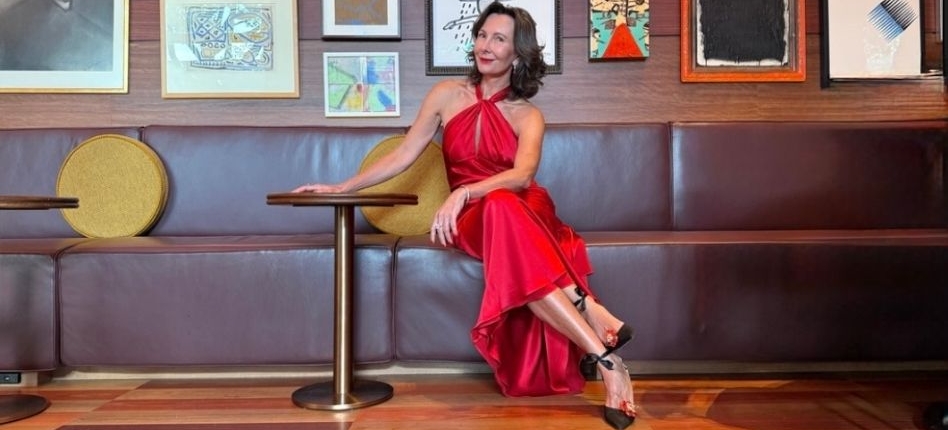
What is Poise? What It Isn’t and How to Develop It
When most people hear the word “poise,” they picture a woman gliding across a room with a book balanced on her head, or someone sitting ramrod-straight at a formal dinner. We think of ballet dancers, royalty, or those impossibly elegant people who never seem to spill their coffee or trip over their own feet.
But that’s not what poise is. Not really.
I learned this the hard way. For years, I thought developing poise was something I could achieve through external perfection – the right posture, the right outfit, the right way of moving through space. I practiced standing straighter, walking more deliberately, controlling every gesture. Yet, I still felt anxious. Because I was performing poise, not living it.
Real poise has nothing to do with perfect deportment and everything to do with genuine ease.
So What Is Poise, Actually?
Poise is the quiet confidence that comes from being genuinely comfortable with yourself. It’s what happens when you stop worrying about how you’re being perceived and start trusting that you belong exactly where you are.
Think about the last time you were truly relaxed with close friends or family. You weren’t thinking about your posture or whether you looked elegant. You were just… present. Engaged. Yourself. That ease, that sense of “I’m fine exactly as I am” – that’s personal poise.
The beautiful thing? When you genuinely feel at ease, your body naturally reflects it. Your shoulders drop away from your ears. Your breathing deepens. Your movements become more fluid. Not because you’re trying to look poised, but because you actually are.
Where Poise Actually Comes From
What I’ve discovered, both in my own journey and working with clients: developing poise comes from three interconnected sources.
Knowledge removes anxiety. When you know what to do in a situation – how to introduce yourself, how to navigate a formal dinner, how to enter a room full of strangers – the nervous energy dissipates. You’re not anxious because you’re not uncertain. This is why etiquette training genuinely builds confidence. It’s not about memorising rules; it’s about removing the question marks that create self-consciousness.
Self-acceptance creates ease. You can know every rule of etiquette and still feel ill at ease if you’re constantly judging yourself or comparing yourself to others. Poise grows when you stop trying to be someone else and start trusting that who you are is enough. This doesn’t mean you stop developing or learning – it means you stop apologising for your existence.
Practice builds genuine confidence. Like anything worth having, building poise takes time. Each time you navigate a challenging situation, each time you choose presence over performance, each time you extend grace to yourself when things don’t go perfectly – you’re developing real poise that actually helps you handle pressure with ease.
Poise in Real Life
Real poise looks different from what we imagine. It’s not about being perfect – it’s about being present.
It’s entering a room where you don’t know anyone and trusting that your presence has value, even if you’re not the most polished person there.
It’s making a mistake in a meeting and acknowledging it without collapsing into apologies or defensive justifications – that’s professional poise.
It’s arriving at a networking event and genuinely engaging with the person in front of you, rather than scanning the room for someone more important.
It’s saying “I don’t know” when you don’t know, without shame.
It’s being just as comfortable in your Uniqlo as you are in your Prada, because you’ve realised the clothes don’t create the confidence – you do. Poise and confidence grow from within.
The Journey to Poise
If you’re someone who enters a room and second-guesses your value, who feels self-conscious in professional settings, who worries about saying or doing the wrong thing – you’re not lacking poise. You’re lacking the knowledge and practice that build genuine confidence.
That’s learnable. All of it.
Learning how to be poised isn’t reserved for people who were born graceful or grew up knowing all the unspoken rules. It’s available to anyone willing to learn the skills that remove uncertainty, practice self-acceptance, and show up authentically.
Three Things You Can Do Right Now
- Take five deep breaths before entering any situation where you feel uncertain. Poise starts with your nervous system. When you’re anxious, your body tenses and your mind races. Five slow, deep breaths signal to your body that you’re safe, allowing genuine ease to emerge.
- Practice the phrase “I don’t know, but I’d like to learn.” Whether it’s admitting you’re unfamiliar with a social custom or acknowledging a gap in your knowledge, this simple phrase demonstrates confidence. Poise isn’t about knowing everything – it’s about being comfortable with what you don’t know.
- Focus on the person in front of you, not yourself. The next time you feel self-conscious, deliberately shift your attention to genuinely listening and engaging with whoever you’re speaking with. Poise flourishes when we stop performing and start connecting.
Real poise begins within – and these small shifts help you access it.
You may also be interested in …
 https://www.powerofetiquette.com.au/wp-content/uploads/2026/01/Table-manners-2.jpg
401
600
admin
https://www.powerofetiquette.com.au/wp-content/uploads/2025/12/Power-of-Etiquette.png
admin2026-01-12 09:58:282026-01-12 10:11:08Why Table Manners Still Matter (And the Basics Everyone Should Know)
https://www.powerofetiquette.com.au/wp-content/uploads/2026/01/Table-manners-2.jpg
401
600
admin
https://www.powerofetiquette.com.au/wp-content/uploads/2025/12/Power-of-Etiquette.png
admin2026-01-12 09:58:282026-01-12 10:11:08Why Table Manners Still Matter (And the Basics Everyone Should Know)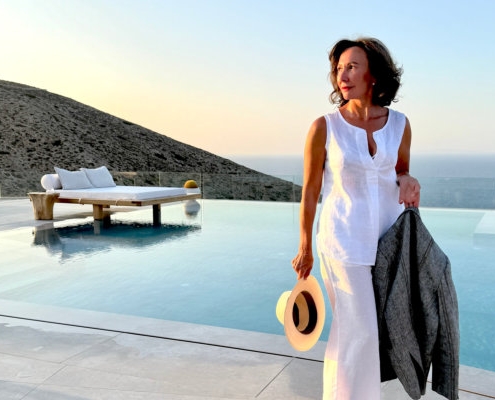 https://www.powerofetiquette.com.au/wp-content/uploads/2026/01/Travel-Etiquette-1a.jpg
400
600
admin
https://www.powerofetiquette.com.au/wp-content/uploads/2025/12/Power-of-Etiquette.png
admin2026-01-12 07:53:002026-01-12 10:04:58Travel Etiquette Guide: How to Be a Gracious Traveller
https://www.powerofetiquette.com.au/wp-content/uploads/2026/01/Travel-Etiquette-1a.jpg
400
600
admin
https://www.powerofetiquette.com.au/wp-content/uploads/2025/12/Power-of-Etiquette.png
admin2026-01-12 07:53:002026-01-12 10:04:58Travel Etiquette Guide: How to Be a Gracious Traveller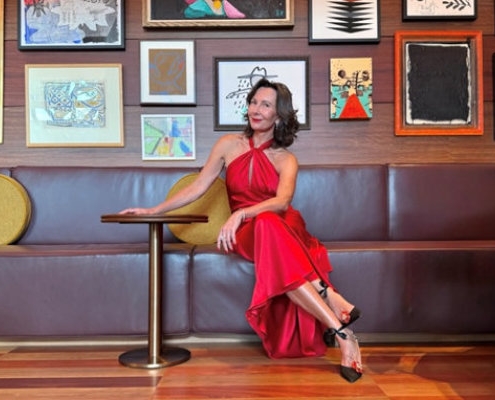 https://www.powerofetiquette.com.au/wp-content/uploads/2025/12/What-is-poise-2.jpg
400
600
admin
https://www.powerofetiquette.com.au/wp-content/uploads/2025/12/Power-of-Etiquette.png
admin2025-12-18 17:55:082026-01-29 15:16:55What is Poise? What It Isn’t and How to Develop It
https://www.powerofetiquette.com.au/wp-content/uploads/2025/12/What-is-poise-2.jpg
400
600
admin
https://www.powerofetiquette.com.au/wp-content/uploads/2025/12/Power-of-Etiquette.png
admin2025-12-18 17:55:082026-01-29 15:16:55What is Poise? What It Isn’t and How to Develop It