
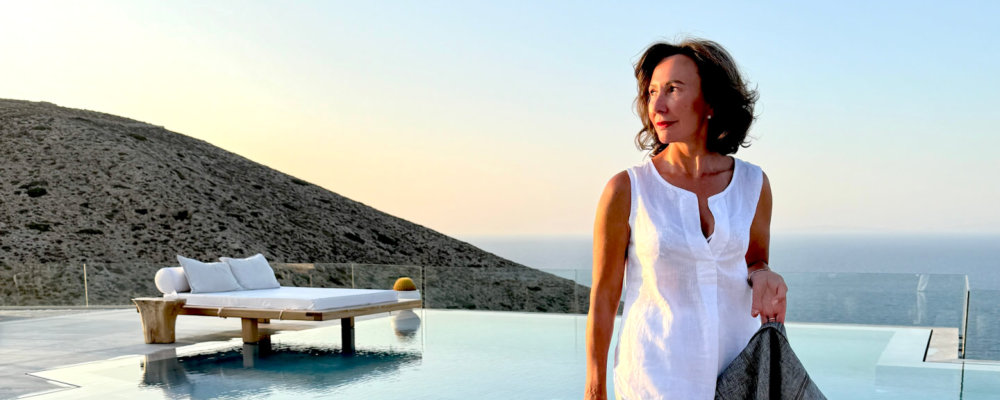
Travel Etiquette Guide: How to Be a Gracious Traveller
There’s a particular type of traveller we’ve all encountered. They’re loud in quiet spaces, oblivious to queues, take photos of everything without asking and treat service staff like they’re invisible. They’re not necessarily rude people. They’re just so focused on their own experience that everyone else becomes background scenery.
Then there’s the gracious traveller. They move through airports, hotels and foreign cities with ease. They’re welcomed back by locals. They have richer experiences, make genuine connections and somehow seem to glide through situations that leave others stressed and frustrated.
The difference? Travel etiquette.
What Travel Etiquette Really Means
Travel etiquette isn’t about knowing which side of the pavement to walk on in every country (though that helps). It’s about approaching travel with awareness, respect and cultural humility.
It means recognising that you’re a guest in someone else’s country, city, hotel or space. And good guests are observant, adaptable and considerate.
At the Airport
Air travel brings out the worst in many people. Long queues, delays, stress, tiredness. It’s a recipe for poor behaviour. Which is exactly why travel etiquette matters most here.
Be prepared. Have your documents ready before you reach security or check-in. Don’t be the person fumbling through their bag while a queue of 50 people waits behind you.
Respect the queue. Every country queues differently, but the principle is universal. Wait your turn. Pushing ahead or trying to skip the line creates tension for everyone.
Pack thoughtfully. Overhead bin space is limited. One reasonably sized carry-on is considerate. Multiple oversized bags that you insist on shoving into shared space? Not so much.
Keep noise levels down. Your phone conversation, music or children might be delightful to you. To the person trying to sleep three seats away, they’re less charming. Use headphones, speak quietly, manage your space.
In Hotels and Accommodations
Hotels are someone’s workplace and someone else’s temporary home. How you behave affects both.
Treat staff with genuine respect. Remember names. Say thank you. Acknowledge that housekeeping, reception and restaurant staff are professionals doing skilled work. The way you treat service staff says everything about you.
Be mindful of noise. Hotel walls are thin. Your 11 PM loud conversation or early morning door slamming disrupts others trying to rest. Move and speak as if you’re in a shared space because you are.
Leave spaces as you found them. You don’t need to clean your hotel room, but basic tidiness and respect for the space is expected. Housekeeping shouldn’t have to deal with destruction.
Tip appropriately. Research tipping customs for your destination. In some places it’s expected, in others it’s offensive. Know the difference.
Navigating Different Cultures
This is where travel etiquette becomes both most important and most interesting.
Do your homework. Before arriving somewhere new, learn basic customs. How do people greet each other? What’s considered polite or rude? Are there dress codes for religious sites? What’s the tipping culture? You don’t need to become an expert, but basic research shows respect.
Observe before acting. When unsure, watch what locals do. How loud are conversations in restaurants? Do people queue in a specific way? How close do people stand when talking? Observation teaches you more than any guidebook.
Ask kindly. When you’re unsure about local customs, ask. “Is there anything I should know about greeting customs/dress code/dining here?” This simple question creates connections and shows genuine respect.
Learn basic phrases. “Hello,” “please,” “thank you” and “excuse me” in the local language goes a long way. Even if your pronunciation is terrible, the effort is appreciated.
Your Appearance Speaks First
How you present yourself when travelling says everything about your respect for others and yourself.
This doesn’t mean you need to dress formally everywhere you go. A beach resort has different expectations than a five-star hotel lobby. But it does mean being aware of context and dressing appropriately for the setting.
I’ve watched someone recline in an elegant hotel lobby with their feet propped on the coffee table. I’ve seen a man in his forties walk topless into a hotel lounge, fresh from his run, and sit down for a business meeting. These aren’t isolated incidents. This behaviour is becoming more common.
Your comfort doesn’t override everyone else’s experience of a shared space. When you’re staying in an elegant hotel, dining at a fine restaurant or visiting cultural sites, your appearance should reflect respect for the setting and the people around you.
Know the dress codes. Many religious sites require covered shoulders and knees. Some restaurants have jacket requirements. Some countries expect more modest dress in public spaces. A quick search before you go prevents awkward situations.
Consider the context. Hotel gym or pool? Activewear is fine. Hotel lobby, restaurant or lounge? Get dressed properly. The fact that you’re on holiday doesn’t mean standards disappear.
Pack appropriately. Bring at least one outfit suitable for upscale dining or cultural visits. You don’t need a full formal wardrobe, but having something respectful and appropriate opens doors and shows you value the experience.
How you present yourself isn’t vanity. It’s consideration for others and a reflection of your self-respect.
Before You Take That Photo
Photography etiquette deserves special attention in our Instagram age.
Before photographing people, places of worship or private spaces, ask. Always. That person going about their daily life didn’t consent to being content for your Instagram. That sacred space might have photography restrictions. That market vendor might not want tourists treating them like exotic scenery.
If you can’t ask (language barriers, etc.), observe. Are other people taking photos? Are there signs prohibiting it? When in doubt, put the camera down and just experience the moment.
For Your Next Trip… Pack These Habits Too
- Learn five phrases before you go. “Hello,” “please,” “thank you,” “excuse me” and “do you speak English?” Even mangled pronunciation shows you tried. Locals appreciate the effort far more than they mind your accent.
- Research one cultural custom. Just one. Whether it’s removing shoes indoors, appropriate greeting styles or dining customs. Knowing even a single thing shows respect and removes anxiety
- Practice “observe first, act second” at home. Next time you enter an unfamiliar space (new gym, restaurant, workplace), pause and observe before acting. This habit serves you everywhere, especially when travelling.
- Put your phone on “experience mode.” Challenge yourself to one meal, one museum visit, one walking tour where you don’t take a single photo. Just be present. Revolutionary concept, I know. You might actually remember more without the camera between you and the experience.
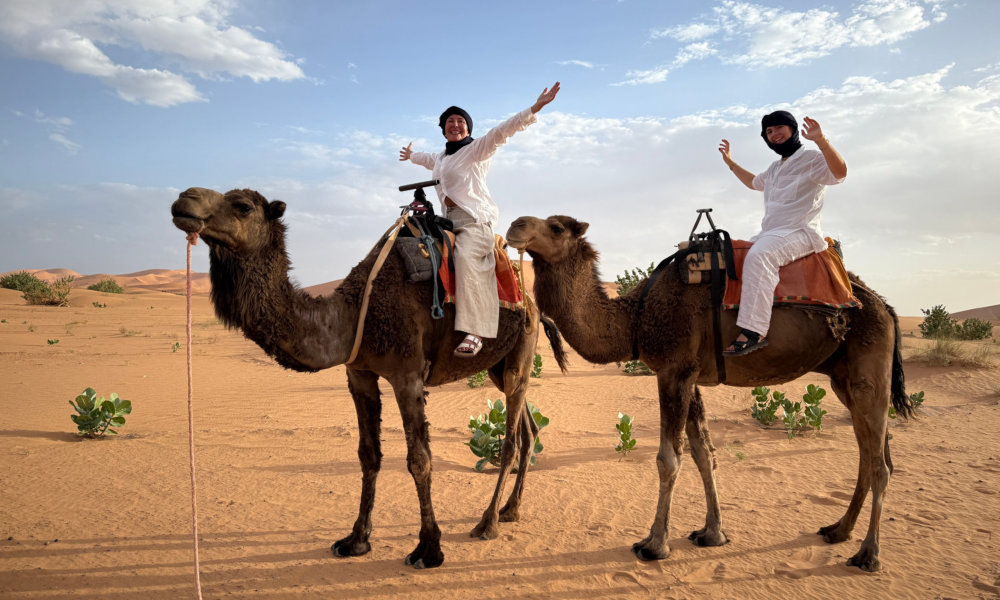
Why It Matters
Good travel etiquette isn’t about being self-conscious or overly careful. It’s about approaching the world with curiosity and respect rather than entitlement.
When you travel graciously, you have richer experiences. Locals are more welcoming. Staff are more helpful. Other travellers appreciate your presence rather than resenting it. You make genuine connections instead of just collecting passport stamps.
And you leave places better than you found them, which is really the mark of any gracious guest.
You may also be interested in …
 https://www.powerofetiquette.com.au/wp-content/uploads/2026/01/Table-manners-2.jpg
401
600
admin
https://www.powerofetiquette.com.au/wp-content/uploads/2025/12/Power-of-Etiquette.png
admin2026-01-12 09:58:282026-01-12 10:11:08Why Table Manners Still Matter (And the Basics Everyone Should Know)
https://www.powerofetiquette.com.au/wp-content/uploads/2026/01/Table-manners-2.jpg
401
600
admin
https://www.powerofetiquette.com.au/wp-content/uploads/2025/12/Power-of-Etiquette.png
admin2026-01-12 09:58:282026-01-12 10:11:08Why Table Manners Still Matter (And the Basics Everyone Should Know) https://www.powerofetiquette.com.au/wp-content/uploads/2026/01/Travel-Etiquette-1a.jpg
400
600
admin
https://www.powerofetiquette.com.au/wp-content/uploads/2025/12/Power-of-Etiquette.png
admin2026-01-12 07:53:002026-01-12 10:04:58Travel Etiquette Guide: How to Be a Gracious Traveller
https://www.powerofetiquette.com.au/wp-content/uploads/2026/01/Travel-Etiquette-1a.jpg
400
600
admin
https://www.powerofetiquette.com.au/wp-content/uploads/2025/12/Power-of-Etiquette.png
admin2026-01-12 07:53:002026-01-12 10:04:58Travel Etiquette Guide: How to Be a Gracious Traveller https://www.powerofetiquette.com.au/wp-content/uploads/2025/12/What-is-poise-2.jpg
400
600
admin
https://www.powerofetiquette.com.au/wp-content/uploads/2025/12/Power-of-Etiquette.png
admin2025-12-18 17:55:082026-01-29 15:16:55What is Poise? What It Isn’t and How to Develop It
https://www.powerofetiquette.com.au/wp-content/uploads/2025/12/What-is-poise-2.jpg
400
600
admin
https://www.powerofetiquette.com.au/wp-content/uploads/2025/12/Power-of-Etiquette.png
admin2025-12-18 17:55:082026-01-29 15:16:55What is Poise? What It Isn’t and How to Develop It